
- Wanda Pan‑Christiansen
Longtime Toastmaster Solarzar Dellaporta shares why Club Officer Training benefits every member—not just club officers.
When members hear “Club Officer Training” (COT), many assume it’s simply a requirement for current club officers to learn the responsibilities of their positions.
But they’re missing a much bigger opportunity. We had an opportunity to speak with Solarzar Dellaporta, DTM about Club Officer Training.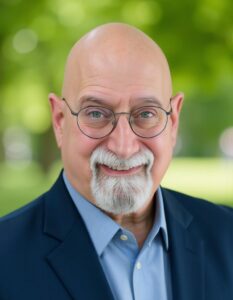
According to District 101 Club Officer Training Coordinator Solarzar Dellaporta, COT offers something valuable to every Toastmasters member: the chance to learn, exchange ideas, develop leadership skills, and discover new possibilities.
“COT is one of the best ways to learn more about Toastmasters,” says Solarzar, a 31-year Toastmasters member from Marina, California. “When you’re only a club member, you see just a small part of what Toastmasters has to offer. COT helps you understand the bigger picture.”
As coordinator of the District’s Club Officer Training program, Solarzar helps recruit and train more than 35 trainers each year. He’s also a strong believer in continuous learning and regularly attends training himself.
Why Training Matters
Solarzar compares COT to the training programs used in the Department of Defense.
“We train on the same topics over and over because repetition reinforces learning,” he explains. “Each training session is different because the people are different. You learn from one another.”
Beyond learning officer responsibilities, COT provides something many leaders value most: the opportunity to exchange ideas.
One of the biggest challenges any leader faces is motivating people to get involved. During COT, officers discuss what’s working in their clubs, share solutions to common challenges, and discover approaches they can apply not only in Toastmasters but also in their professional and personal lives.
“Toastmasters teaches collaboration,” Solarzar says. “It’s less about authority and more about learning how to influence and work effectively with others.”
Why Consider Serving as a Club Officer?
Many members hesitate when asked to serve as a club officer. They worry they lack experience, don’t have enough time, or simply aren’t natural leaders.
Solarzar believes those concerns miss an important truth.
“We are all leaders,” he says.
Serving as a club officer provides a supportive environment to explore leadership skills one step at a time. Just as Toastmasters helps members gradually become better speakers, officer roles allow members to develop leadership abilities through practical, real-world experience.
“Leadership is an opportunity to discover more about yourself,” Solarzar explains. “Every leader has a different style. Taking on a role helps you understand who you are and how you work with others.”
The experience can also reveal strengths members never knew they had.
From Small Steps to Big Opportunities
Solarzar points to past District 101 Director Abhijeet Joshi, DTM as an example of what’s possible.
Joshi began as a club member. He later served as a club officer, helped charter new clubs, became an Area Director, advanced through district leadership roles, and led District 101 to President’s Distinguished.
“At each step, he continued learning and expanding his skills,” Solarzar says.
While not every member aspires to district leadership, the lesson is the same: growth happens when we say yes to new opportunities.
Growth Happens Outside Your Comfort Zone
Most Toastmasters members remember feeling nervous during their first speech.
Then something happens.
Speaking becomes easier. Confidence grows. What once felt uncomfortable starts to feel natural.
Leadership follows the same pattern.
Solarzar describes it like stretching a rubber band. Every new role challenges us to think differently, solve problems, and support others. Whether serving as a club officer, Area Director, or District leader, each step expands our skills and perspective.
“Toastmasters gives us a safe environment to learn and practice,” he says.
And the benefits don’t stop when the meeting ends. Members frequently apply their Toastmasters leadership and collaboration skills in their careers, volunteer organizations, and personal relationships. Even improved listening skills can make a positive difference in nearly every area of life.
Your December Opportunity to Learn and Grow
Whether you’re a current club officer, considering a future leadership role, or simply curious about how Toastmasters works beyond the club level, Club Officer Training offers valuable insights, practical skills, and an opportunity to learn from fellow members.
Don’t miss the upcoming online training sessions:
- December 10, 2026
- December 15, 2026
- 6:00 p.m. – 8:00 p.m.
- Visit https://d101tm.org/training/ to register
Additional training opportunities will also be available in January and February.
“Don’t let the title fool you,” Solarzar says. “COT isn’t just about learning a position. It’s about learning leadership.”
You don’t have to be a club officer to benefit. You just have to be willing to grow.
And that’s training every Toastmaster can benefit from.
About the Author
Wanda Pan‑Christiansen lives in Monterey, CA. She joined Toastmasters in a moment of pure desperation — she had a presentation the very next day and needed help fast. What she found was a community that encouraged her and showed her what was possible. Today, she is a confident speaker who has nearly banished “ahs” and “ums” from her everyday conversations, and she loves helping others discover their own voice.